Education
My Philosophy
I believe the goal of my music teaching is to foster the growth of the whole student—emotionally, and musically.. My purpose as a music teacher reaches far beyond teaching notes and rhythms. I am inspired to shape strong-minded, compassionate, hardworking students who leave my classroom not only able to read, write, and perform well, but are prepared to leave as confident and caring leaders. I believe education is most powerful when it is student-centered and works on the development of the entire individual. Music has the power to transform lives. It builds community, inspires collaboration, and strengthens individual growth. In my classroom, students are inspired not only to improve as musicians but to use their talents to create something larger than themselves. Whether working in a choral ensemble or performing solo, they learn that their voices matter and that together, they can create something beautiful and impactful for themselves and their community.
I strive to cultivate a safe and supportive environment where mistakes are not failures, but opportunities to grow. Students learn best when they trust their teachers, peers and feel safe.I want my students to see that growth comes from effort, collaboration, and the willingness to keep trying. Everyday, I try to inspire them through my own dedication to improving as both a musician and a music educator. My greatest joy in teaching is witnessing the moment a student realizes they can achieve something they once thought was out of reach, whether mastering a challenging chord, sustaining a phrase with proper breath support, or finally expressing themselves through music with confidence. These moments, no matter how big or small, are life-changing. Watching students discover their voice and musicality, embrace their artistry, and experience genuine joy in their progress is a gift I cherish.
Ultimately, my mission is to inspire students to become not just better musicians, but better people. Through my music teaching I hope to model kindness, resilience, leadership, and compassion. Teaching music is more than a job—it is passion and a calling. It is the privilege of making a lasting impact on the whole student through music.
Resume
-
EDUCATION
Moravian University, Bethlehem, PA
Master of Arts in Teaching in Music Education, May 2026
GPA: 3.8
Lebanon Valley College, Annville, PA
Bachelor of Arts in Vocal Performance, May 2022
Elizabethtown College, Elizabethtown, PA
Music Education, 2017-2019
● PCMEA President(2019)
EDUCATION EXPERIENCE
Arts Academy Charter Middle School, Allentown, PA
6th Grade Keyboard, 5,6,7,8th Grade Vocal
(August 2023-Present)
● Music in the Parks Competition - Superior rating,1st place in the Mixed Choral Category. Superior rating, 1st place Junior High/Middle School Overall (2024)
● Music in the Parks Competition - Superior rating, 1st place in the Mixed choral Category (2025)
● Created and Instructed lessons using a Keyboard Lab
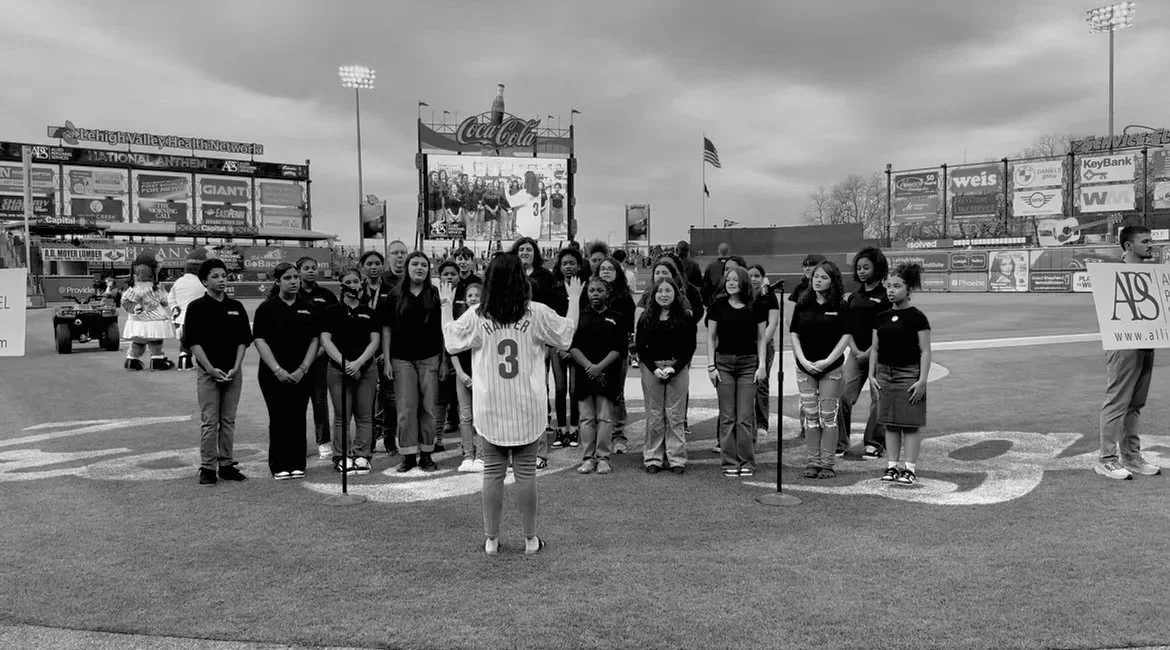
● Conducted 6th-8th grade Band/Orchestra/Mixed Vocal ensemble’s National Anthem at the Lehigh Valley Phantoms Hockey Game (2025,2026)
RELATED TEACHING EXPERIENCE
Private Voice Teacher, Allentown, Pa
Private vocal lessons for ages ranging from 10 and up.
(2024-Present)
Community Music Institute- Annville, Pa
Private Voice Lessons for ages ranging from 6-90.
(September-May 2023)
Nativity Lutheran Early Childhood Education Center, Allentown, PA
Pre-School(age 3)-Grade 5
(June 2019-2023)
TECHNOLOGY SKILLS
● Schoology, Powerschool, Canvas, Canva, Google, Microsoft, Brightwheel, Smartpass
PROFESSIONAL AFFILIATIONS/CERTIFICATIONS
Pennsylvania Music Educators Association (2026)
National Association for Music Education (2026)
Red Cross CPR/FIrst Aid Certification (2021-Present)
Classroom Management Plans
Secondary Management Plan
I currently teach 5th–8th grade vocal and keyboard music at Arts Academy Charter Middle School. Creating a positive, engaging, and supportive classroom environment is a priority in my music classroom. There are several strategies I intentionally use in order to ensure that students feel comfortable, motivated, and ready to learn in my classroom.
One important strategy is continuing to create an organized and welcoming classroom environment. I make an effort to keep my classroom neat, “pretty” , and appropriately decorated. I believe that a clean and inviting classroom helps students feel more comfortable and focused when they enter the space. When students feel relaxed and welcomed, it can reduce anxiety and allow them to engage more fully in the learning process. Another strategy is greeting students individually as they enter the classroom. I make an effort to welcome students by name each time they come into the vocal room. This helps create a more personal classroom experience and strengthens the relationships I build with my students. Establishing positive relationships is really important in creating an environment where students feel heard,and supported.
Communication also plays an important role in maintaining a positive classroom culture. When giving feedback, I try to maintain a constructive and encouraging tone. While it is important to provide students with guidance on how they can improve, I also believe in singing their praises whenever possible.
My personal teaching philosophy is that the classroom should be a safe space where students are encouraged to take risks, make mistakes, and learn from those mistakes. In music education especially, students must feel comfortable experimenting and growing in order to develop their musical abilities.
Behavior management is crucial in maintaining a productive learning environment. At times, Arts Academy Charter Middle School faces challenges with student behavior and accountability. While these challenges may exist school-wide, I make it a priority to hold MY students accountable within my own classroom. I expect students to demonstrate responsibility not only in their musical learning but also in their words and actions. My goal is not only to help students grow as musicians and performers, but also to encourage them to grow as individuals who contribute positivity to their school community. Modeling positive behavior is one of the most effective ways to encourage students to meet these expectations. I try to model for my students both musically and personally.
To maximize student engagement, I intentionally design lesson plans that are structured and filled with meaningful musical activities. When students remain actively engaged in the learning process, there is less opportunity for distractions or behavioral issues to occur. I have found that minimizing downtime, particularly with 7th grade students, improves both participation and overall enjoyment of the class.
Some students who misbehave may be seeking attention from their peers or reactions from myself as the teacher. In these situations, I try to avoid reinforcing that behavior by giving attention to it. Instead, I document the behavior when necessary and maintain communication with school administration. When redirection is required, I address students using a firm yet respectful tone rather than engaging in arguments. Clear reminders of classroom expectations are also an important part when speaking with these students. I have also learned that student behavior is often influenced by factors outside of the classroom. Many students may be dealing with peer conflict, family concerns, or other external issues that affect their behavior at school. Because of this, I strive to approach students with both empathy and understanding while still maintaining clear and consistent expectations.
The book we recently completed in class has also been beneficial in helping me reflect on my teaching at AACMS. It gave me a good background in teaching in urban schools and helped me better understand the experiences of students who live in low-income, high-crime urban communities.The idea of maintaining both empathy and firm expectations confirmed my current teaching philosophy.
Elementary Management Plan
At AACMS, management in general is something all the teachers and administration struggle with. I try my best to create a warm, encouraging, welcoming environment for my students to learn. Some things I have learned to do to keep my classroom environment positive are positive emails home, rewards using the dojo system (school wide ) , small competitions in the class, constant words of encouragement, and classroom encouragement during performance times. All of these things students at AACMS seem to respond well to. As far as discipline in the classroom, I believe there are ways to address the behavior within the classroom before getting administration involved. First I address the situation one on one with the student either by a note directed to them or verbally one on one, then if that doesn't work, I uses the “happy face, sad face” method on the board, because this addresses positive and sad behaviors, then after that, it becomes a write up and communication home as to why the student has been written up, with the hopes of feedback or communication or support from home. Worse comes to worst, an immediate call to the admin to come and collect the child from my classroom. As far as routines, there are a few routines I implement, which are collecting the phones at a certain time. Each grade has a different routine, but with trial and error we found what routine works best for us. Having a routine like that helps with behavior in the classroom. Students were taught expectations the first day of class… and sometimes those expectations need to be reviewed or even adjusted. A lot can change in a year. When classroom expectations and routines need to be reviewed, I will absolutely take the time it needs to be addressed. When expectations and routines are met, then the magic of making music can actually happen within the classroom setting.
In my classroom, I want the students to feel that their voice is heard but yet still understand that all final decisions come from me. This may be in the order in which we do things in class.. An example being, “would you like to do choir or music theory first”... both classes will be happening but they can feel they get a choice in which comes first. Another being they can help select the spring concert songs by voting on a google form. I want my classroom to feel like they are heard and allowed to make mistakes and grow . Singing can be scary because it is such a personal part, and music theory can be hard, with so many rules and terms but it's ok to make mistakes and learn and grow.
I think from experience, and classroom discussions, I've learned that students have a lot going on outside of school and at home. Being firm in your expectations but also being loving and a supportive figure in their lives is really important. They need routine and they need to have these expectations but not coming at it with an iron fist but with love and support. It is absolutely the way for students to grow in and outside of your classroom.
Evaluations
Certifications
First aid
CPR
Emergency certification through AACMS
PA Teaching Cert (coming soon).